Childcare adviceWE KIDS JOURNAL
Pink October 2026: supporting children when a parent is ill
Talking to children about breast cancer, arranging support and preserving family time: practical guidance for parents and their loved ones around the world.

A global mobilization, with very practical needs
Breast cancer affects every country, the World Health Organization reminds us. When a parent is affected, family life continues around appointments and care: school pick-ups, meals, homework, play and bedtime still need to be organized.
A news item from this edition illustrates the mobilization: on 25 September 2026, the Ligue contre le cancer committee in Corrèze, France, published its Pink October programme, with walks, stands and meetings. This local example does not describe provisions in other countries. It is a reminder that an act of solidarity can also take an everyday form: helping a family organize the times when the parent is unavailable.
This guide offers organizational and communication suggestions to adapt to each family. Questions about the illness, care and personal precautions should be discussed with the care team.
Preparing a conversation the child can understand
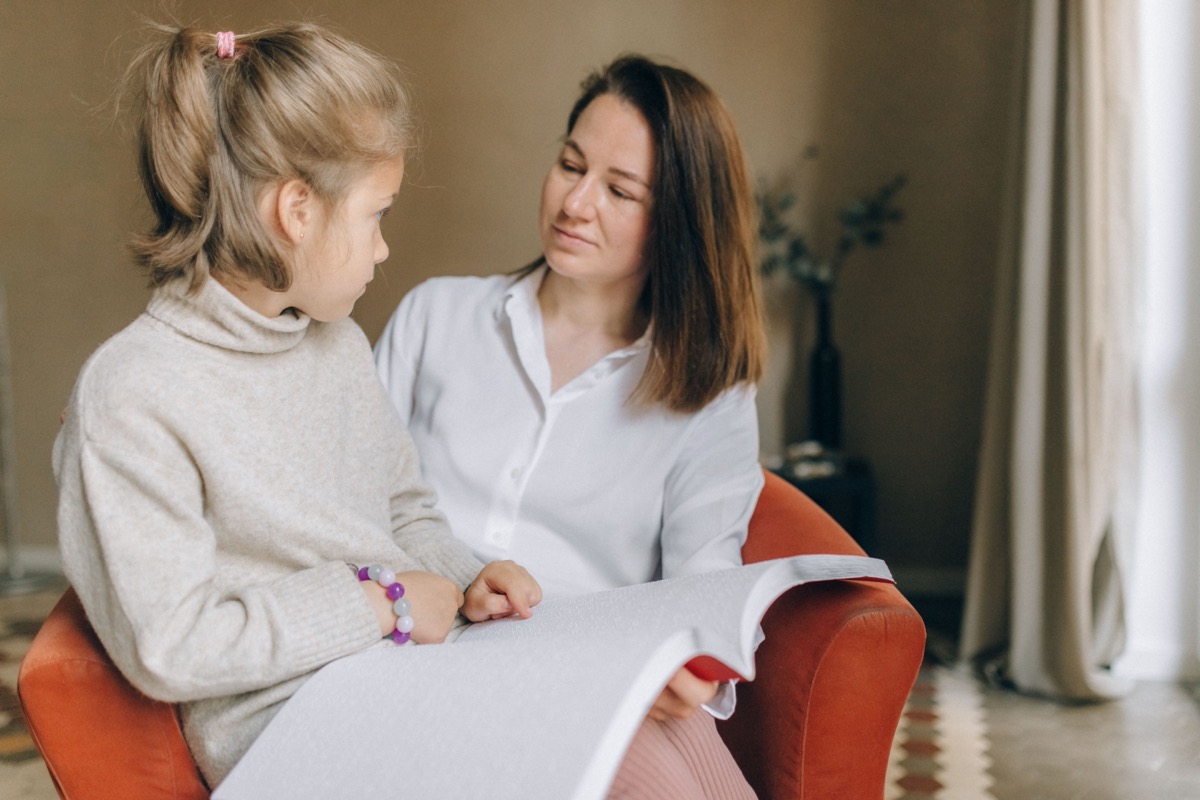
The Ligue contre le cancer advises preparing the time, place and people present, then adapting the words to the child’s age and understanding. The announcement opens a dialogue: some questions may come later.
Here is an example of wording, to adapt to the known facts: “I have an illness called breast cancer. The doctors have planned care. On some days, someone else will pick you up from school. We will tell you how this is going to work.”
Also prepare an answer for questions you do not yet know the answer to: “I don’t know yet. I am going to discuss it with the team caring for me.” The aim is to provide understandable information without announcing a timeframe or recovery that has not been established.
Making the next few days easier to understand
To prepare for the week, start with the child’s practical questions: who will pick me up, where will I sleep, who can I talk to? If you wish, write these answers in a short schedule.
You can note school pick-ups, meals to plan and times when another adult takes over. Present the known changes, then update the schedule if necessary. Keep routines that are feasible, without setting yourself the obligation of maintaining every activity.
For childcare, gather the schedules, the people authorized to pick up the child, useful contacts, and important routines on one sheet. Plan for someone to contact if the arrangements change.
Asking for specific support and respecting everyone’s limits
You can ask someone close to you: “Can you handle school pickup on Tuesday?” or “Can you prepare a meal for Thursday?” They can reply about that time slot, and you can adjust your request.
With a babysitter, specify what the child already knows and the questions to pass on to you. To prepare explanations about the illness, you can ask the care team for advice.
You can suggest that the child choose a story. Keep the organization of care, medical decisions, and responsibility for handovers among adults.
Making room for connection and emotions
Depending on what is possible that day, suggest a small shared moment: listen to a song, watch a cartoon or read a few pages. The activity can remain short, be postponed or be replaced.
The Ligue encourages making room for the child’s questions and reactions, including in the weeks that follow. If changes in behaviour worry you, seek advice from a professional. The parent can also ask for help in preparing these conversations.
Finding support in your country
At your next discussion with the care team, prepare two questions: “Who can help me talk about the illness with my children?” and “Where can I ask for support with our family arrangements?” The Institut national du cancer notably encourages loved ones to discuss family balance and everyday difficulties with healthcare professionals.
Ask for the contact details and specific conditions of the support offered, then contact the relevant service. The French-language sources in this guide provide guidance; they do not guarantee that the same assistance exists everywhere.
For a health or screening question, consult a professional in your country: this parenting guide defines neither a screening schedule nor individual medical management.
Sources
Useful advice, information and news for families and babysitters.